
One slow drain is annoying. Several slow drains at the same time are a different story. When the kitchen sink, a bathroom tub, and a toilet all start draining sluggishly within the same week, the problem usually isn’t sitting in any one of those fixtures. It’s further down the line, in a section of pipe that all of them share.
That distinction matters, because the fix for one clogged trap is not the same as the fix for a blockage affecting your whole plumbing system. At Keeley’s Plumbing, we get calls from Glen Ellyn homeowners who’ve already tried a store-bought drain cleaner or a plunger on each fixture individually, only to watch the same slowdown come right back. If that sounds familiar, it’s worth understanding what’s actually happening before you spend more time or money treating the symptom instead of the source. This is also exactly the kind of situation where drain cleaning in Glen Ellyn, IL from a licensed professional makes the difference between a quick fix and a repeat problem.
What It Means When Multiple Fixtures Slow Down at Once
Every fixture in your home, the sinks, tubs, showers, and toilets, connects to a branch line, and those branch lines eventually feed into one main drain line that carries wastewater out to the municipal sewer or a septic system. A single slow drain usually points to a localized clog in that fixture’s trap or branch line, close to the fixture itself.
When two or more fixtures slow down around the same time, especially if they’re on different floors or in different parts of the house, the shared point in the system is usually the main line. Water and waste from every fixture pass through it, so a partial blockage there affects everything upstream of it. This is also why fixtures on the lowest level of a home, like a basement floor drain or laundry tub, are often the first to show symptoms. Water finds the path of least resistance, and if the main line is partially blocked, it can back up into the lowest drains before you notice it anywhere else.
Common Causes Behind the Pattern
A few conditions tend to produce this multi-fixture slowdown, and some are more common in established neighborhoods with mature landscaping and older infrastructure.
Tree root intrusion. Tree roots are drawn to the moisture and nutrients inside sewer lines. Over time, roots can work their way through small cracks or joints in older clay or cast iron pipe, gradually narrowing the space wastewater has to move through. Neighborhoods with large, established trees near the sewer lateral are more prone to this than newer subdivisions with younger landscaping.
Grease and soap buildup. Cooking grease, fats, and soap scum don’t stay in the kitchen sink. They travel through the line and can coat the interior walls of the main pipe, narrowing it gradually until multiple fixtures start showing symptoms at once.
Pipe bellying or sagging. Older pipe sections can settle or sag over time, creating a low spot, sometimes called a belly, where water pools instead of draining away. Debris collects in that low spot and builds into a blockage that affects everything draining through it.
Venting problems. Plumbing systems rely on vent stacks to let air into the drain lines so water can flow out properly. A blocked or undersized vent can cause gurgling and slow draining across multiple fixtures, even without a physical clog, because the system isn’t equalizing pressure correctly.
Aging sewer lateral pipe. Homes with original clay or cast iron sewer laterals are more likely to develop cracks, offset joints, or corrosion over the decades, all of which restrict flow and give roots and debris more opportunities to catch.
How This Differs From a Single Clogged Drain
A clogged drain in one fixture is typically caused by something local: hair and soap in a tub drain, food debris in a kitchen sink, or toilet paper and waste in a toilet trap. These respond well to a plunger, a hand-crank auger, or a straightforward drain cleaning service focused on that one line.
A pattern across multiple fixtures means the blockage sits somewhere those lines converge, most often the main drain or sewer lateral. Treating each fixture separately won’t resolve it, because the obstruction is downstream of all of them. This is the main reason DIY methods often provide short-term relief followed by the same symptoms returning within days or weeks. The visible slowdown gets addressed, but the actual restriction stays in place.
What Happens If the Pattern Goes Unaddressed
A partial blockage in a main line rarely stays partial. As more debris, roots, or buildup accumulate around the existing obstruction, the opening narrows further. What started as slow draining can progress to standing water, gurgling sounds when fixtures are used, or in more serious cases, sewage backing up into the lowest drain in the house, often a basement floor drain or laundry sink. That kind of backup involves wastewater and poses a sanitation concern, along with potential water damage to flooring, drywall, and belongings.
Catching the pattern early and having it inspected gives you options. Waiting until a full backup happens usually narrows those options and adds urgency to a situation that could have been resolved on a normal schedule.
How Professionals Identify the Actual Blockage
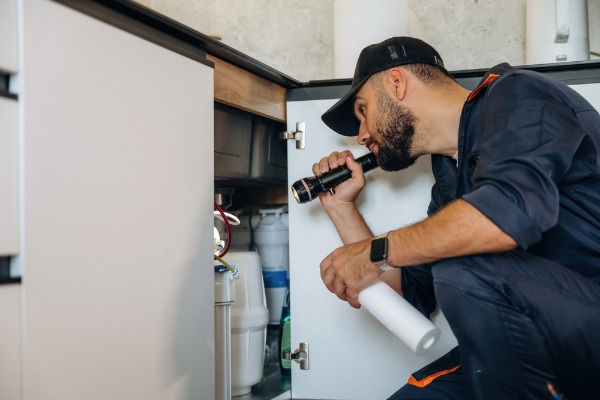
Diagnosing a main line issue starts with understanding where in the system the restriction sits and what’s causing it. A trained plumber will ask about which fixtures are affected, how long the symptoms have been going on, and whether backups have happened at the lowest drain in the house. That pattern of symptoms alone tells an experienced technician a lot about whether the issue is likely near the house or further out toward the street connection.
From there, tools like a sewer video inspection camera let a technician see directly inside the line, confirming whether the obstruction is roots, grease buildup, a pipe belly, or a structural issue like a cracked or offset joint. Locating the exact cause and its location is what allows the right method, rather than a guess, to be used to clear it.
Hydro Jetting and Other Professional Clearing Methods
Once the cause is identified, the clearing method depends on what’s actually in the pipe. A standard drain snake or auger works well for softer clogs close to the surface, but it has limits against tree roots or heavy grease buildup coating the inside of a pipe.
Hydro jetting uses a high-pressure water stream to scour the interior walls of the pipe, breaking apart root intrusion, grease, and mineral buildup and flushing the debris out of the line. Because it cleans the full diameter of the pipe rather than boring a single hole through the clog, it tends to leave the line cleaner for longer than cabling alone. It’s not the right tool for every situation, particularly pipes with existing structural damage, which is another reason an inspection comes before treatment rather than after.
For blockages tied to structural issues like a collapsed section or severe offset joints, clearing the line only addresses the symptom. Those situations may call for pipe repair or replacement, which is a separate conversation from routine drain cleaning services.
When to Call a Drain Cleaning Company
A few signs point toward calling in a professional rather than continuing to treat each fixture on its own:
- Two or more fixtures are draining slowly at the same time
- Gurgling sounds come from drains when other fixtures are used
- A floor drain or the lowest fixture in the house has backed up, even briefly
- Store-bought drain cleaner or a plunger provided only temporary relief
- Multiple slow drains keep recurring every few weeks or months
Any of these point to a shared line issue rather than an isolated clog, and that’s the point where an experienced drain cleaning company can locate the actual cause instead of treating one symptom at a time.
Reducing the Risk of a Repeat Blockage
Once a main line is cleared, a few habits help keep debris from building back up as quickly. Running hot water through the kitchen sink after cooking helps keep grease from solidifying on the pipe walls. Avoiding the sink or toilet as a disposal method for coffee grounds, food scraps, or wipes (even ones labeled flushable) reduces one of the most common causes of buildup in the branch and main lines. For homes with mature trees near the sewer lateral, a periodic inspection can catch root intrusion early enough to clear with routine maintenance rather than a full backup.
None of these habits eliminate the need for a professional look at the line periodically, especially in a home with an older clay or cast iron lateral, but they do reduce how often buildup reaches the point of slowing multiple fixtures at once.
Frequently Asked Questions
- Is it normal for more than one drain to slow down at the same time?
No. Isolated clogs typically affect one fixture at a time. When multiple fixtures slow down together, it usually points to a shared line issue, most often the main drain, rather than a coincidence of separate clogs.
- Can I use a store-bought drain cleaner to fix multiple slow drains?
Chemical drain cleaners are made for localized clogs close to a single fixture and generally can’t reach or clear a blockage in a main line. Using them repeatedly can also damage older pipe, particularly if there’s already corrosion present.
- Will hydro jetting work on any type of pipe?
Hydro jetting works well on most residential pipe materials, but a professional should confirm the pipe’s condition first, since pipes with existing cracks or severe deterioration may need repair rather than high-pressure cleaning.
- How urgent is it if only one drain has backed up so far?
A single backup at the lowest fixture in the house is often an early sign of a main line restriction. Addressing it before it progresses to a full backup is generally easier and less disruptive than waiting.
Get the Blockage Found and Cleared the Right Way
If more than one drain in your home has slowed down, the line connecting them is worth a real look before the problem grows into a bigger backup. Keeley’s Plumbing serves both residential and commercial customers throughout Glen Ellyn with upfront, flat-rate pricing, so you know the cost before any work begins. We’re locally owned and operated, calls are answered by highly trained plumbing professionals day or night, and every job is backed by our service warranties and satisfaction guarantee. Ask about available discounts when you reach out, and let our team track down what’s really causing the slowdown. Contact us today to get it sorted out.