
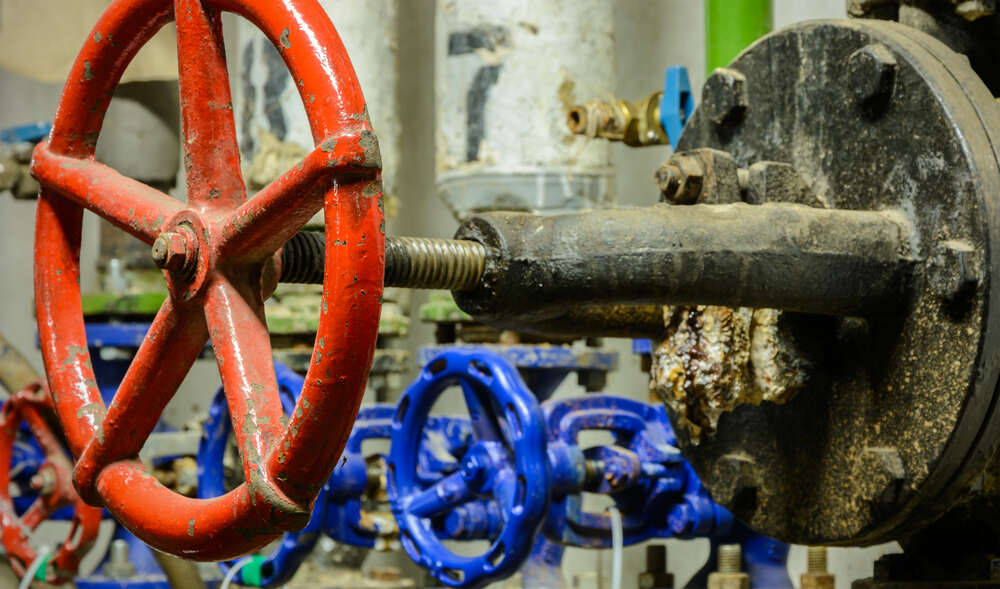
A shut-off valve stuck in the “off” position, or worse, one that will not turn at all, can allow a slow drip to become a flooded basement in minutes. If you cannot stop the water fast, the size of the original problem stops mattering. A pinhole leak under a sink or a cracked supply line to a toilet can dump gallons of water into your home before anyone notices, and the only thing standing between a wet floor and a full-blown water emergency is whether that valve actually works. At Keeley’s Plumbing, we get calls where a homeowner knew something was wrong for days but could not shut the water off, and that delay turned a repair into a cleanup job. If you are searching for a plumber in Glen Ellyn, IL because a valve will not budge, or because you just found out one of your valves does not work, here is what you need to know before the next leak happens.
What a Shut-Off Valve Actually Does
Every home has a main shut-off valve where the water line enters the house, and most fixtures (toilets, sinks, washing machines, water heaters) have their own individual shut-off valves too. The main valve controls water to the entire house. The individual valves let you stop water to one fixture without shutting off everything else.
When these valves work the way they should, a leak under a bathroom sink is a five-minute fix: turn the valve, stop the water, then deal with the leak on your own schedule. When a valve is seized, corroded, or missing entirely, that same leak forces you to either let it run or shut off water to the whole house while you figure out what to do next.
Why Older Valves Stop Working
Two valve types show up most often in older homes: gate valves and ball valves. Gate valves use a wedge-shaped disc that lowers into the pipe to block flow. They were standard in homes built through the 1980s and are still common in Glen Ellyn’s older housing stock, much of which dates to the mid-1900s. Ball valves, which use a rotating ball with a hole through the center, became the more common choice in newer construction because they are more reliable over time.
Gate valves fail for a few predictable reasons. Mineral deposits from hard water build up around the gate mechanism, and over years that buildup can seize the valve in place. Homes where valves are rarely, if ever, tested make this worse, since a valve that has not moved in a decade is far more likely to snap, strip, or refuse to turn than one that gets exercised every so often. Corrosion inside older galvanized or brass fittings can also fuse valve components together, especially in basements or crawl spaces where humidity speeds up the process.
According to the U.S. Environmental Protection Agency’s WaterSense program, household plumbing components have typical service lives, and shut-off valves are generally expected to perform reliably for 15 to 20 years under normal conditions. Many homes in this area have valves well past that mark, installed when the house was built decades ago and never replaced.
Warning Signs Your Shut-Off Valve May Not Work
You do not want to find out a valve is bad during an actual emergency. A few signs suggest it is time to have one checked:
The valve handle feels stiff, gritty, or does not turn smoothly when tested. Water keeps trickling through even after the valve is fully closed. Visible corrosion, green or white mineral crusting, or rust around the valve body. The valve has never been touched since you moved in and you genuinely do not know if it works.
If any of these sound familiar, it is worth testing the valve now, while there is no active leak putting pressure on the situation.
How a Small Leak Becomes a Big Problem
Here is the scenario we see repeat itself. A supply line to a toilet develops a slow leak. The homeowner notices water on the floor, goes to shut off the valve at the base of the toilet, and it will not move. Maybe it is corroded shut. Maybe it turns but water keeps flowing anyway because the internal seal has degraded. Now the choice is between letting the leak continue or shutting off water to the entire house.
Water damage adds up fast. According to the Insurance Information Institute, water damage and freezing claims are among the most common and expensive homeowners insurance claims in the country, and the difference between a five-minute fix and a multi-hour response often comes down to how quickly the water gets shut off. A valve that works instantly is the difference between a wet spot and standing water soaking into subfloor, drywall, and insulation.
Local Conditions That Make This More Likely in Glen Ellyn
DuPage County winters bring hard freezes, and homes with older plumbing are more prone to frozen and burst pipes during extended cold snaps. When a pipe bursts in winter, every second counts, and a functioning shut-off valve is what limits the damage while a plumber is on the way. Older homes throughout Glen Ellyn and the surrounding area were often built with galvanized supply lines and gate valves that are now decades past their expected lifespan, which means aging valves and aging pipes are frequently found together in the same house.
Property managers and landlords overseeing older rental units in the area face this risk across multiple properties at once, which makes routine valve checks even more valuable as a preventive habit rather than something addressed only after a tenant reports a leak.
What Homeowners, Landlords, and Property Managers Should Do
Test every shut-off valve in the home once or twice a year, including the main valve and each fixture valve. Turn it fully closed, then fully open, and pay attention to how it feels. A valve that turns easily and stops water completely is doing its job. One that grinds, sticks, or leaks past the closed position needs attention.
Know where your main shut-off valve is located before you need it in an emergency. This sounds basic, but many homeowners have never located it, and during an actual flood is the worst time to search for it.
If a gate valve in your home has never been replaced and is original to the house, consider having it swapped for a ball valve during your next plumbing repairs or renovation. Ball valves are simpler mechanically and hold up better over long periods without use.
For rental properties, build valve checks into your regular maintenance schedule rather than waiting for a tenant complaint. A five-minute check twice a year is far less disruptive than an emergency plumbing call after hours.
When to Call a Professional
Replacing a shut-off valve involves cutting off water supply, working with soldered or threaded connections, and sometimes dealing with corroded fittings that do not come apart cleanly. If a valve will not turn, do not force it. Forcing a stuck or corroded valve can snap the stem or crack the fitting, which turns a valve you cannot close into a pipe you cannot control at all.
If you discover a leak and the shut-off valve near it will not work, shutting off the main valve to the house is the safer immediate step while you call for plumbing services. From there, a licensed plumber can assess whether the valve needs replacement, whether the surrounding pipe has additional damage, and whether other valves in the house share the same risk.
Frequently Asked Questions
- How often should shut-off valves be tested?
Testing valves once or twice a year is a reasonable routine for most homes, with an additional check before winter to confirm everything functions ahead of freeze season.
- Can I replace a shut-off valve myself?
It depends on your comfort level with plumbing repairs and whether the valve is soldered or threaded, but a stuck or corroded valve often requires professional tools and experience to replace without damaging the surrounding pipe.
- What is the difference between a gate valve and a ball valve?
A gate valve uses a wedge that lowers to block water flow and is prone to seizing over time, while a ball valve uses a rotating ball and tends to hold up better with less maintenance.
- What should I do if I cannot find my main shut-off valve?
Look near where the water line enters your home, typically in a basement, crawl space, or utility closet, and if you cannot locate it, a plumber can identify it during a routine visit so you know where it is before an emergency happens.
Getting Your Valves Checked Before They Fail
A shut-off valve only matters the moment you actually need it, and that is usually the worst possible time to find out it does not work. Keeley’s Plumbing is locally owned and operated, and our team handles both residential and commercial plumbing repairs across the area, including valve inspections, replacements, and emergency plumbing when something cannot wait. Every call is answered by highly trained plumbing professionals. We offer reasonable, upfront flat-rate pricing with discounts available, and our work is backed by service warranties and a satisfaction guarantee. If it has been a while since anyone checked the shut-off valves in your home or rental property, or if you are dealing with one that will not turn right now, reach out to us and we will get it sorted, day or night.