
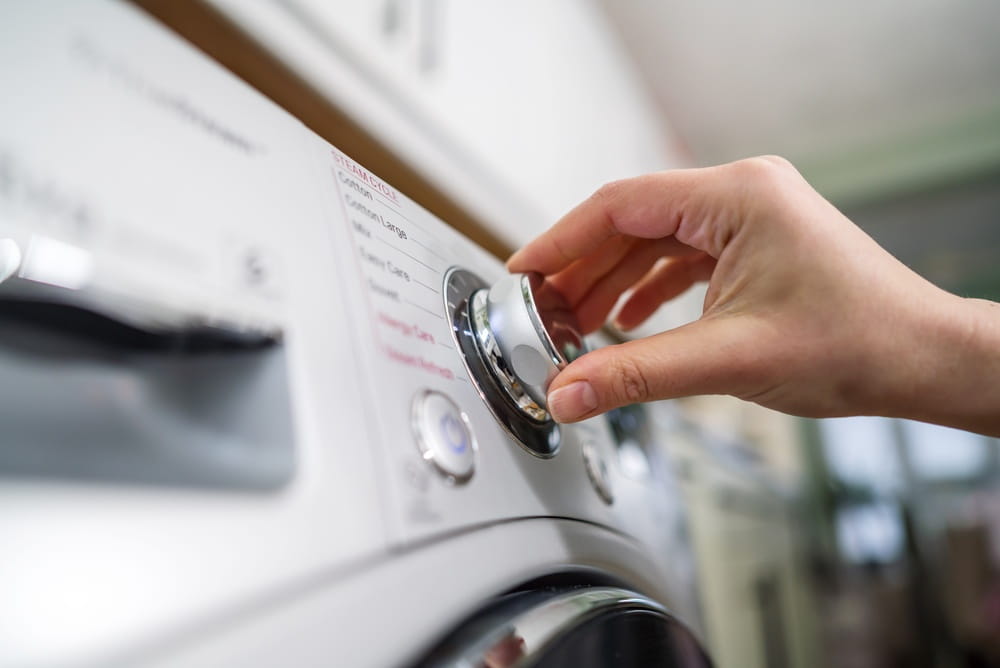
Your new smart water heater or high-efficiency washer is only as good as the pipes feeding it. Water monitors, high-efficiency washers, smart dishwashers, touchless faucets, and leak detection devices all rely on a plumbing system that can handle changing water pressure, flow, and usage patterns.
If you’ve noticed something off since installing new fixtures, a plumber in Glen Ellyn, IL, can pinpoint whether your pipes are the real source of the problem before it gets worse. That’s exactly the kind of diagnostic work we handle every day at Keeley’s Plumbing.
Modern Appliances Change the Way Plumbing Performs
Many of today’s water-using appliances are designed to operate with greater precision than older models. Instead of relying on simple mechanical controls, they use sensors, electronic valves, and programmed cycles that expect consistent water pressure and reliable drainage. That does not automatically make them harder on a home’s plumbing, but it can reveal weaknesses that older fixtures quietly worked around.
High-Efficiency Washing Machines Push Older Drains Harder
Modern washing machines use less water than older top-loading models, but they often discharge water much faster during the drain cycle. In homes with aging drain pipes, years of soap residue, mineral buildup, or partial blockages can limit how quickly wastewater leaves the system.
That difference can lead to:
- Slow-draining standpipes
- Water backing up into nearby fixtures
- Overflow around the washer drain
- More frequent drain clogs becoming noticeable
The washing machine is rarely the cause of these problems. Instead, it exposes drainage issues that have developed gradually over time. A trusted plumbing company can determine if the drain system is keeping pace with the appliance instead of simply treating recurring symptoms.
Smart Dishwashers Depend on Healthy Water Supply Lines
Smart dishwashers monitor water levels, fill times, and cycle performance much more closely than older models. If older supply lines have corrosion or mineral deposits inside them, water flow may become restricted enough to affect performance.
Homeowners may notice:
- Longer wash cycles
- Reduced cleaning performance
- Error notifications related to water intake
- Dishes that do not rinse as expected
- Hard water can also leave mineral deposits inside inlet screens and spray arms over time.
Leak Detection Devices Bring Hidden Plumbing Problems to Light
Whole-home leak detectors and smart shutoff valves have become popular because they monitor water movement around the clock. Unlike older plumbing systems that relied on visible leaks, these devices can detect unusually small or continuous water flow.
That often uncovers existing issues such as:
- Pinhole pipe leaks
- Running toilets
- Dripping fixtures
- Worn supply line connections
- Slow leaks behind walls
Many homeowners think the monitoring system is being overly sensitive. In reality, it is often reporting water movement that has existed for months. A qualified plumbing company can determine if the alert points to a plumbing defect or a fixture that simply needs adjustment.
Touchless Faucets and Smart Valves Need Consistent Plumbing Conditions
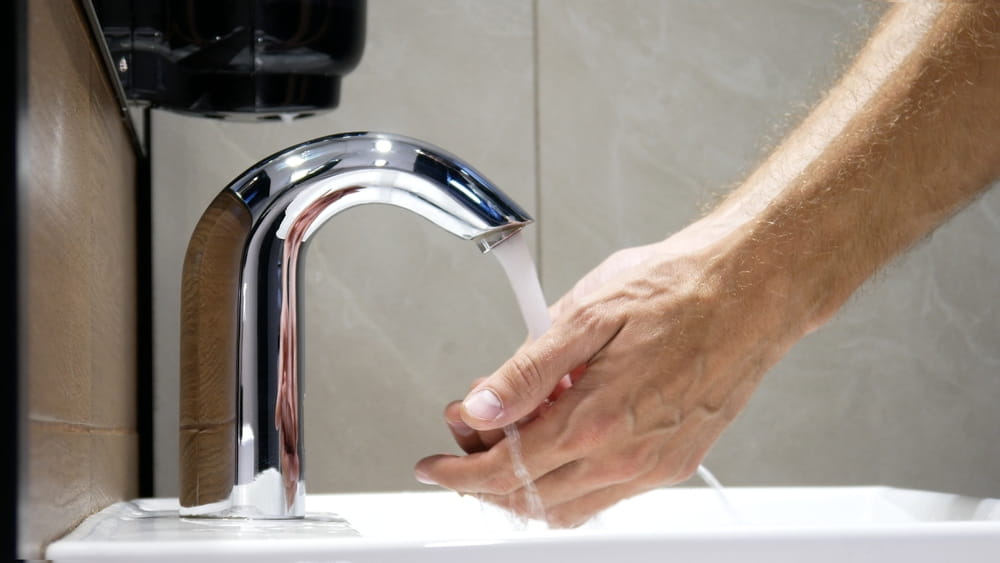
Touchless faucets and electronically controlled shutoff valves react almost instantly when activated. Older plumbing systems with fluctuating water pressure, sediment, or aging shutoff valves may not deliver the stable conditions these fixtures expect.
Performance issues necessitating plumbing services can include:
- Delayed water flow
- Inconsistent water pressure
- Valves that fail to close completely
- Reduced sensor response caused by mineral buildup
Smart Water Monitoring Does Not Replace Pipe Condition
Smart home devices are excellent at collecting information, but they cannot repair worn plumbing. Corroded galvanized pipes, aging valves, deteriorating supply lines, and restricted drains continue to age regardless of how many connected devices monitor them.
Before adding more smart plumbing products, it helps to evaluate:
- The age of the home’s piping
- Existing water pressure
- Drain performance
- Pipe material
- Signs of corrosion or mineral buildup
Matching new technology with a plumbing system that is in good condition helps homeowners get the most from their investment.
Frequently Asked Questions
Can smart appliances damage old pipes?
Most do not damage pipes directly. They often expose drainage, pressure, or supply issues that older appliances did not make obvious.
Is an older home too old for smart plumbing devices?
Not at all. Many older homes support smart plumbing upgrades after targeted improvements to pipes, valves, or drains.
Should plumbing be inspected before installing multiple smart appliances?
Yes. Checking pipe condition, water pressure, and drain capacity helps newer appliances perform more reliably and reduces unexpected plumbing issues later.
Get Your Plumbing Working With Your Smart Home
Every new smart appliance depends on the plumbing hidden behind your walls. Before adding another connected washer, dishwasher, leak detector, or touchless fixture, find out if your existing pipes are ready to support it. A small plumbing issue today can limit the performance of every new upgrade you add later.
At Keeley’s Plumbing, we help homeowners and businesses get the most from modern plumbing technology with careful system evaluations, warrantied workmanship, and customer-focused service. As a locally owned and operated team, we’re available 24/7, and every call is answered by highly trained plumbing professionals who can recommend practical solutions with reasonable, upfront flat rate pricing. We also offer discounts for qualifying customers and back our work with a satisfaction guarantee.
Planning your next smart home upgrade? Contact Keeley’s Plumbing first so your plumbing system is just as prepared as the technology you’re bringing into your home.