
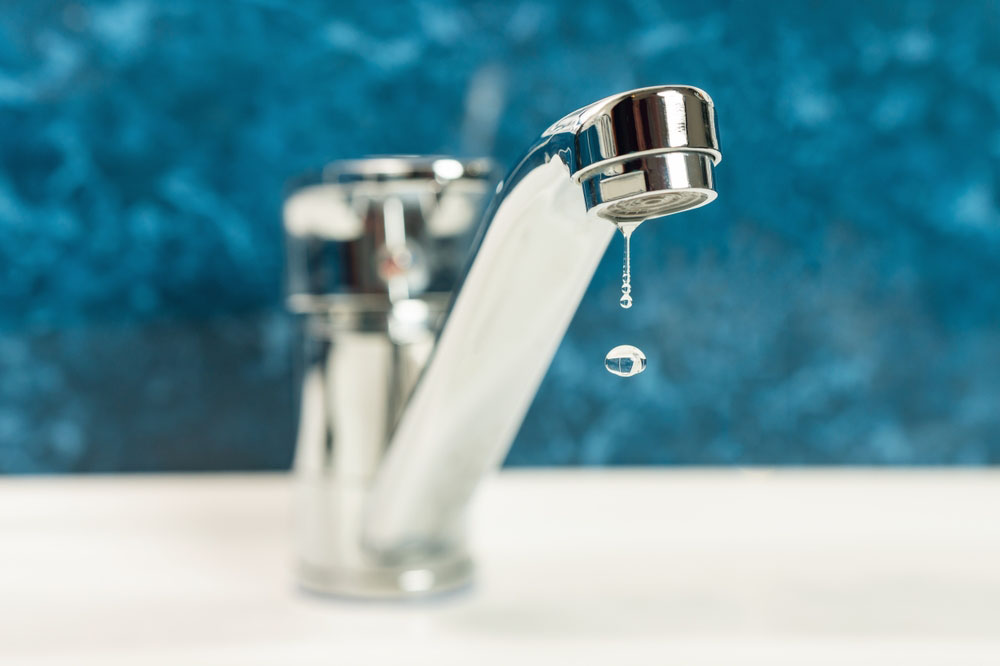
According to the American Red Cross, letting cold water drip from faucets served by exposed pipes is a legitimate cold-weather precaution. However, it’s not a foolproof fix and it’s not always necessary. That said, knowing when to drip, which faucets to use, and what else you should be doing can make all the difference. If you’re already dealing with frozen or burst pipes, you need a plumber in Glen Ellyn, IL, on your side fast.
Which Faucets Should Actually Be Left Dripping?
Not every faucet in your home needs to run. Focus on the ones connected to pipes most at risk. Here’s where to start:
- Faucets along exterior walls or in unheated spaces like garages, basements, and crawl spaces
- Both hot and cold handles, since both supply lines can freeze
- The faucet farthest from your main water supply to keep water moving through the longest stretch of pipe
When temperatures drop below 20°F, the slow movement of water through your pipes reduces pressure buildup, which is the real cause of pipe bursts, not the ice itself.
A slow drip, not a full stream, is all you need. This isn’t about wasting water; it’s about keeping just enough movement to reduce pressure if ice does start to form.
When Shutting Off the Water Makes More Sense
Dripping faucets works well when you’re home and the cold snap is temporary. But if you’re heading out of town during winter, turning off your main water supply valve is often the smarter move. No water in the pipes means nothing to freeze and nothing to burst.
Here’s when shutting off the valve is worth considering:
- You’ll be away for more than a day or two during a hard freeze
- Your home has a history of frozen pipes in certain spots
- Your heating system is older or unreliable during extreme cold
- Showers in bathrooms along exterior walls, the showerhead itself won’t freeze, but the supply pipes feeding it can, particularly in poorly insulated walls
After shutting off the main valve, open a few faucets to drain remaining water from the lines. This removes the last bit of pressure and gives any residual water somewhere to go. When you return, turn the valve back on slowly and check under sinks and near exposed pipes before assuming everything is fine. Our plumbing company can also walk you through this process if you’ve never done it before.
What Else Should You Do Before a Hard Freeze?
Dripping faucets and knowing your shutoff valve are just two layers of cold-weather prep. Beyond that, here are steps worth taking:
- Keep your thermostat set to at least 55°F, even when you’re away
- Open cabinet doors under sinks on exterior walls to let warm air circulate
- Insulate exposed pipes with foam pipe sleeves or heat tape
- Know where your main water shutoff valve is before you ever need it
- Disconnect and drain outdoor hoses to avoid backflow freezing
When a Drip Isn’t Enough
Sometimes pipes freeze anyway, especially in older homes or after an unusually brutal cold snap. If you turn on a faucet and nothing comes out, or you hear banging in the walls, don’t try to thaw pipes yourself with an open flame. That’s a fire hazard and can crack pipes further. This is when professional plumbing services become critical, not optional.
Stuff Worth Knowing
Q: How long should I let faucets drip during a cold snap?
Keep them dripping throughout the entire duration of temperatures below 20°F, including overnight.
Q: Will my water bill spike significantly?
A slow drip uses roughly 1 gallon per hour. Over a two-day freeze, that’s about 48 gallons, far less than the cost of plumbing repairs after a burst.
Q: Can I turn faucets off once temperatures rise above freezing?
Yes, once temps are consistently above freezing and your pipes show no signs of freezing.
Q: Do I need to drip outdoor hose bibs?
No. Disconnect and drain hoses before winter and shut off the interior valve feeding outdoor spigots instead.
Q: My pipe already froze. Should I wait it out?
No. Call for emergency plumbing help immediately. The longer a frozen pipe sits, the higher the risk it bursts.
Frozen Pipes Don’t Fix Themselves. We Do.
When things go wrong with your pipes, you deserve a team that picks up the phone, not an answering service. At Keeley’s Plumbing, every call is answered by a trained plumbing professional who can actually help, any time of day or night. We serve both residential and commercial customers throughout the Glen Ellyn area with honest, upfront flat-rate pricing, so you never wonder what you’re paying before work begins. Discounts are available, all our work is warrantied, and your satisfaction is guaranteed. As a locally owned and operated business, we treat every home like it’s our own.
If your pipes are frozen, at risk, or you just want peace of mind heading into the next cold snap, call Keeley’s Plumbing.